How to Stop a Dog from Resource Guarding a Person

Contents
- What is resource guarding in dogs?
- Common Guarded Items
- Potential for Aggression
- Common Items That Trigger A Dog’s Resource Guarding
- Signs of Dog Resource Guarding
- 1. Growling
- 2. Snapping or Biting
- 3. Body Blocking
- 4. Stiffening Body Posture
- 5. Baring Teeth
- 6. Hard Stare or Fixed Gaze
- 7. Eating Faster
- 8. Lunging or Charging Forward
- Dogs Resource Guarding Their Owners
- Understanding A Dog Resource Guarding Its Owner
- Preventing Dogs from Becoming Possessive of Their Owners
- When a Dog Resource Guarding a Person Becomes a Problem
- Aggression in Resource Guarding Dogs
- Factors Influencing Aggression Level
- Preventing Resource Guarding from Developing in Puppies
- Conclusion
- FAQs
- How do you stop a dog from being aggressive towards humans?
- What causes resource guarding in dogs?
- Is hiding or hoarding a sign of a dog resource guarding?
- Sources
Resource guard behavior is a common issue in dogs. This is where they display aggressive behavior to guard resources they deem valuable. This resource-guarding behavior can be directed towards items, places, or people.
Understanding and addressing this issue is crucial for a harmonious relationship between pets and their owners.
What is resource guarding in dogs?
Dog resource guarding is a behavior where a dog becomes possessive or protective of specific items, viewing them as valuable resources. This is not just strange dog behavior. It’s deeply rooted in the dog’s instinctual need to secure resources crucial for survival.
In a domestic environment, resource-guarding behaviors can manifest in various ways and towards various items, places, or even people.
Common Guarded Items
A dog guards things it values highly. This often includes their food, treats, toys, beds, a favorite spot in the house, and sometimes their human family members.
Potential for Aggression
In some cases, resource guarding can lead to aggressive behavior. Dog owners must recognize the signs of resource guarding and address them appropriately to prevent escalation and ensure safety.
Addressing resource guarding usually takes a vet check to rule out pain, management to prevent bites, and behavior modification, ideally guided by a qualified behavior professional.
Common Items That Trigger A Dog’s Resource Guarding
Understanding the common triggers for resource guarding is crucial for effectively addressing and managing this behavior.
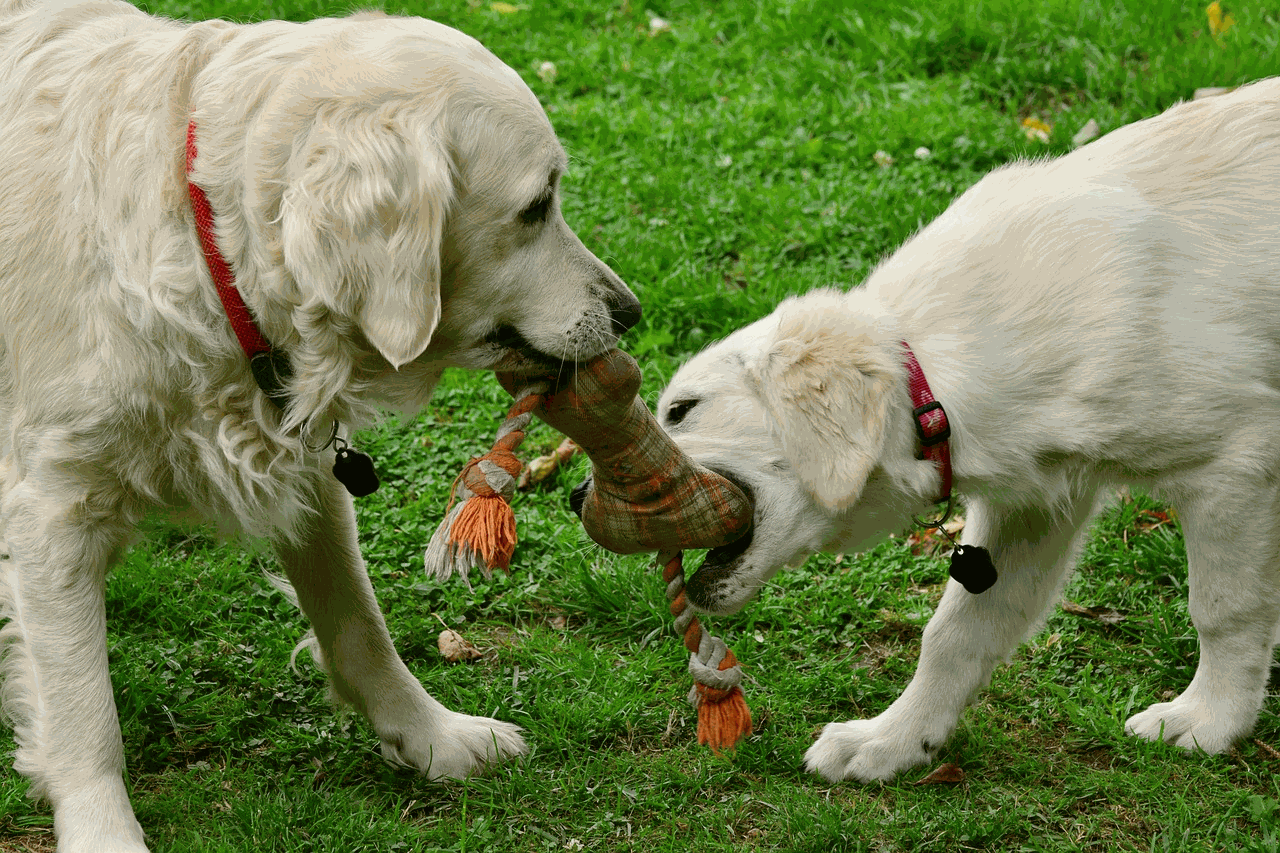
Here are some of the most typical items that can trigger resource guarding in dogs:
- People: Some dogs become overly attached to a particular person and may exhibit guarding when others come too close to that person. This can be especially challenging in households with multiple people or pets.
- Food: This is perhaps the most common trigger for resource guarding. Food aggression comes in the form of guarding their food bowls, treats, or even scraps found on the floor. This behavior can range from mild (like eating faster when approached) to severe (growling or snapping when someone comes near their food).
- Sleeping Areas: Dogs may guard the area where they sleep, such as their bed, a favorite spot on the couch, or even a particular room. They might growl or snap if someone tries to move them or approaches their resting area.
- Attention: In some cases, a dog guards the attention they receive from their owners. This can manifest in aggressive behaviors towards other pets or people whom they perceive as competitors for their owner’s affection.
It’s important to note that resource guarding is a natural behavior for dogs. In the wild, guarding food and other resources can be crucial for survival. However, in a domestic setting, it’s essential to prevent resource guarding to ensure the safety of all household members, both human and animal.
Resource guarding is often rooted in anxiety or fear about losing a valued resource. It can also be a normal dog behavior influenced by genetics or past experiences.
Signs of Dog Resource Guarding
Recognizing the signs of resource guarding in dogs is essential for early intervention and preventing escalation into more serious aggressive behavior.
Here are some detailed signs and behaviors that typically indicate a dog is resource guarding:
1. Growling
One of the most common signs; growling is a dog’s way of warning that they feel threatened and want the perceived threat to back off. This is often the first sign that a dog’s resource guarding something.
2. Snapping or Biting
If the warning growl is ignored, the dog may escalate to snapping or biting. This is a more direct way of saying, “Stay away from my resource.”
3. Body Blocking
The dog may physically place themselves between the resource and the perceived threat, using their body to block access. This can be subtle, like standing over a toy, or more overt, like pushing their body against a person.
4. Stiffening Body Posture
A dog who is resource guarding may stiffen their body, especially when someone approaches. This body language signals heightened alertness and readiness to react if their resource is threatened.
5. Baring Teeth
Showing teeth is another clear warning sign. It’s often accompanied by a growl and indicates that the dog is prepared to defend their resource.
6. Hard Stare or Fixed Gaze
A dog may fixate their gaze on the person or animal they perceive as a threat to their resource. This intense staring is a clear sign of guarding behavior.
7. Eating Faster
Food aggression in a dog manifests in the form of the dog eating more quickly than usual. This is triggered if they sense someone approaching, in an attempt to finish before the resource can be taken away.
8. Lunging or Charging Forward
Some dogs may lunge towards the perceived threat, trying to scare it away from their resource.
Recognizing these signs is the first step in addressing resource guard behavior. Early intervention is key, as it can prevent the behavior from becoming more ingrained and harder to manage.
If you notice these signs, especially snapping or biting, have your vet rule out pain or illness first. Then work with a Certified Applied Animal Behaviorist, a board-certified veterinary behaviorist, or a certified trainer experienced with aggression, as the ASPCA recommends.
Dogs Resource Guarding Their Owners
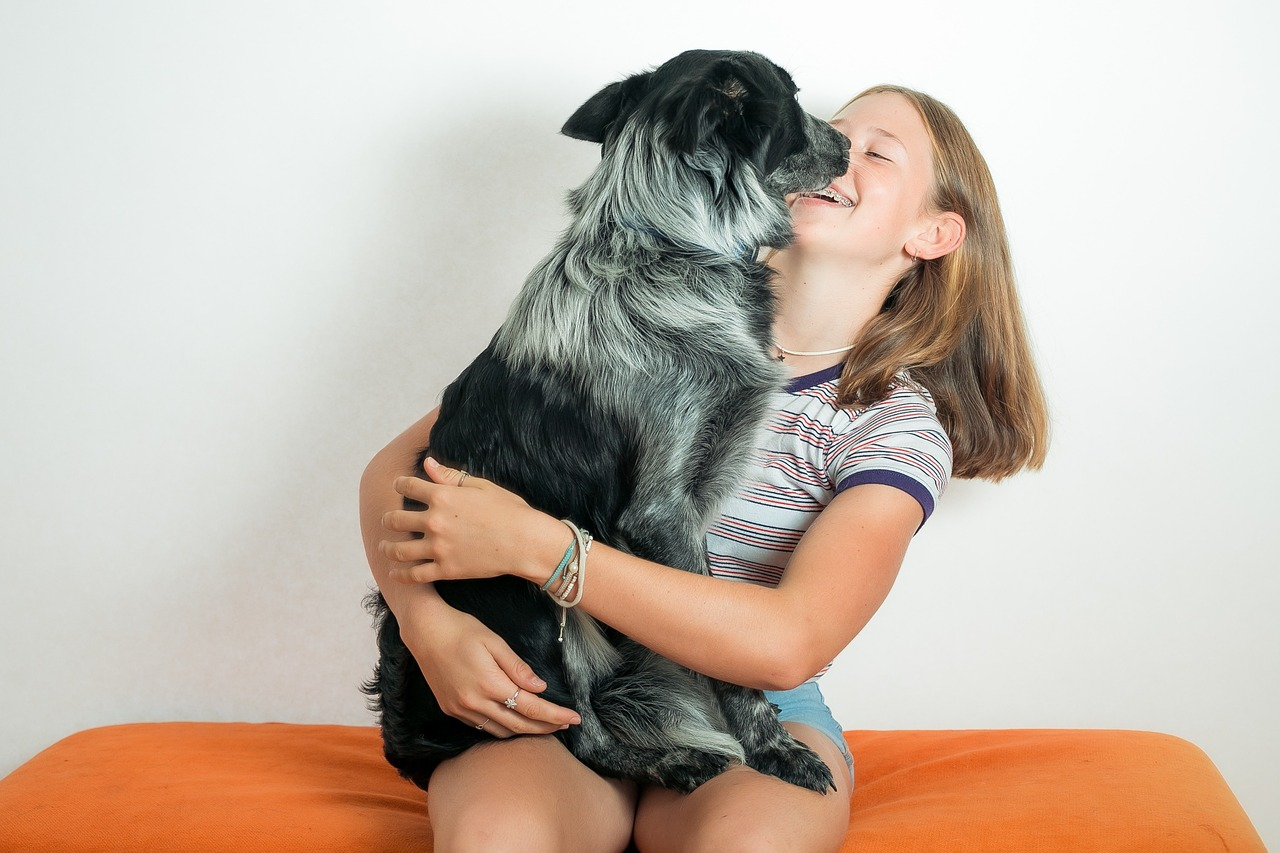
A dog resource guarding its owner is a specific type of resource guarding where a dog perceives their human family members as resources to be protected. This behavior can manifest as aggressive or defensive actions when other people or animals approach the owner.
To stop resource guarding, you need to implement specific behavioral strategies.
Understanding A Dog Resource Guarding Its Owner
- The root of the behavior: This behavior often stems from a combination of natural protective instincts, anxiety, and lack of socialization. The dog may perceive other individuals as threats to the bond or resources they share with their owner.
- Signs of guarding: These can include growling, barking, body blocking, or physically placing themselves between their owner and others. In severe cases, it might escalate to snapping or biting.
- Triggers: Common triggers include new people entering the home, other pets approaching the owner, or even close interactions with family members.
Preventing Dogs from Becoming Possessive of Their Owners
- Early socialization: Expose puppies and dogs to a variety of people, animals, and environments in a positive and controlled manner. This helps them become comfortable with others and understand that new individuals are not threats.
- Training for independence: Encourage the dog to be comfortable being alone or with other family members. Training them to stay in a separate room or crate comfortably can help foster independence.
- Reinforce positive interactions: Reward the dog for calm and non-protective behavior around other people and animals. Treats, praise, and affection can reinforce that non-guarding behavior is desirable.
- Set boundaries: Teach the dog that certain behaviors, like sitting on your lap or following you everywhere, are not always permissible. This helps reduce over-dependence on the owner.
- Consistent commands: Use commands like “sit,” “stay,” or “leave it” to manage situations where the dog starts to show guarding behavior. Consistency is key in command training.
- Obedience training: Reward-based obedience training improves communication between you and your dog and gives you cues like “sit” and “go to your mat” to redirect guarding.
- Controlled introductions: Introduce the dog to new people and pets in a controlled and gradual manner. Start with short, positive interactions and gradually increase the duration.
- Desensitization and counterconditioning: Gradually expose the dog to situations that trigger guarding behavior in a controlled and positive way, to change their emotional response.
- Professional Help: If the behavior is severe or if you’re not sure how to handle it, consult a professional dog trainer or behaviorist who specializes in resource guarding.
- Routine and Structure: A consistent daily routine and clear rules can provide a sense of security for the dog, reducing the need to guard.
Avoid accidentally rewarding guarding with attention. Calmly end the interaction instead, for example by standing up so the dog is no longer on your lap, without scolding.
By understanding the root causes of this behavior and implementing consistent training and socialization strategies, it’s possible to manage a dog’s habit of guarding their owners. This ensures a healthy, balanced relationship between dogs and their human family members.
When a Dog Resource Guarding a Person Becomes a Problem
Below, we explore what to do when your dog resource guards you or a family member.
- Distraction with high-quality treats can help break the focus on the guarded resource and reinforce positive behavior.
- Ensuring ample toys and teaching sharing behaviors can help prevent the guarding of toys, for example. This is especially important in a multi-dog household.
- Don’t punish the growl. A growl is a warning sign, and punishing it can teach a dog to bite without warning. The ASPCA also advises against punishing or intimidating a guarding dog.
- Keep children away from a dog that guards. The ASPCA advises that children should not do guarding exercises with a dog; leave that to adults working with a professional.
Aggression in Resource Guarding Dogs
The level of aggression in dogs displaying resource-guarding behaviors can indeed vary significantly. They can range from mild, non-threatening behaviors to severe and potentially dangerous actions. Understanding this spectrum is important for addressing the issue effectively.
- Mild Resource Guarding: In milder cases, a dog might show subtle signs of discomfort, such as stiffening, low growling, or a fixed gaze when someone approaches their valued resource. These dogs might also gently place themselves between the resource and the person or another pet. The aggression is more of a warning and less likely to escalate into physical harm.
- Moderate Resource Guarding: At this level, the dog’s behavior is more pronounced. This can include louder growling, baring teeth, or more obvious body blocking. The dog may snap in the air near the person or animal they perceive as a threat to their resource. These actions are more threatening and indicate a higher likelihood of escalation.
- Severe Resource Guarding: In severe cases, dogs exhibit clear aggressive behaviors that can pose a real threat of injury. This includes biting, lunging, or attacking a person or another animal that comes near their resource. These behaviors are not just warnings; they are active attempts to remove the perceived threat to their resource.
Factors Influencing Aggression Level
Several factors can influence the severity of resource guarding, including the dog’s breed, past experiences, training history, and overall temperament. Some dogs may naturally have a higher propensity for guarding behaviors, while others might develop these behaviors in response to their environment or lack of proper training.
It’s important to note that resource guarding can escalate over time if not properly addressed. Mild guarding behaviors can become more severe if the dog feels their warnings are consistently ignored.
Preventing Resource Guarding from Developing in Puppies
To avoid problems later on, work on preventing resource guarding from developing in puppies. This involves a combination of early socialization, training, and creating a positive environment. We’ve already touched on some of the strategies above, but below, we’ll focus on what to do with puppies.
It’s always a good idea to start modifying a dog’s behavior from an early age.
- Positive experiences around resources: Teach a puppy that an approaching person means something good. Hand-feed some meals, and walk by and drop a tasty treat into the bowl while they eat, instead of reaching in or taking food away. Also get them used to having their mouth and paws gently handled.
- Teach trade and share: Encourage puppies to ‘trade’ a toy or item they value for something else, like a treat or a different toy. This teaches them that giving up something can result in getting something even better, reducing the likelihood of resource guarding.
- Avoid punishment: Never punish a puppy for growling or showing discomfort, as this can increase anxiety and potentially make resource guarding worse. Instead, use positive reinforcement to encourage desired behaviors.
- Monitor Playtime: During play with other dogs or people, watch for early signs of resource guarding and intervene gently to redirect the behavior.
Preventing resource guarding in puppies is largely about creating a safe, positive environment where they feel secure. Combine socialization, training, and positive reinforcement, to lay the foundation for a well-adjusted adult dog.
Conclusion
By understanding the triggers and signs of resource guarding, and implementing consistent training and behavior modification strategies, it is possible to effectively manage and even stop resource guarding in dogs. Remember, patience and consistency are key, and in cases of severe resource guarding, seeking professional help is advisable.
FAQs
How do you stop a dog from being aggressive towards humans?
Start with a vet exam, since pain and illness can cause aggression. Then work with a qualified behaviorist or trainer experienced with aggression to build a plan that keeps people and the dog safe.
What causes resource guarding in dogs?
Guarding valued things is a natural dog behavior, and dogs retain it even when resources are plentiful. Anxiety, genetics and past competition for food, such as in a crowded litter, can all play a part.
Is hiding or hoarding a sign of a dog resource guarding?
Yes, some dogs may hide or hoard items they are guarding. They might take items to a secluded spot to guard them away from others.
Sources
- Food Guarding, ASPCA
- Aggression, ASPCA