How Much Is a Teacup Dog? Price and Details
Contents
- The Price of Teacup Puppy Breeds
- Teacup Puppies Cost by Breed.
- Affordable Teacup Dog Breeds
- Factors Affecting Teacup Puppy Price
- Teacup Puppies Ownership Cost
- Where To Buy Teacup Puppies
- Final Thoughts
- Frequently Asked Questions
- Do Teacups stay small for the rest of their lives?
- How much is a Teacup Yorkie?
- What is the cost of Teacup Bichon Frises?
- Sources
"Teacup" dogs are extra-small versions of toy breeds, such as Yorkshire Terriers, Chihuahuas, Pomeranians, Maltese, and Poodles. They are marketed for their tiny size and puppy-like look.
"Teacup" is not a breed or an official size. It is a sales term, and breeding for extreme smallness can put the dog's health at risk. That has left many dog lovers wondering how much a teacup dog costs and whether one is a good idea.
In this article, we cover what affects the price, what ownership really costs, and how to avoid sellers who put size ahead of health.
The Price of Teacup Puppy Breeds
Prices for teacup puppies depend on the breed, the seller, the location, and the puppy's color and size. Sellers usually charge more for teacup puppies than for standard-sized puppies of the same breed.
The American Kennel Club (AKC) does not recognize "teacup" as a breed or variety. A "Teacup Yorkie" is simply a very small Yorkshire Terrier.
Advertised prices commonly run into the thousands of dollars, and rare colors or popular breeds can push them higher. Prices change often and vary widely by seller, so treat any listed figure as a rough guide only.
A very low price is a warning sign. Cheap "teacup" puppies may come from puppy mills or may simply be young or underweight puppies sold as teacups.
Keep in mind that the purchase price is only one part of the cost. Veterinary care, food, grooming, training, and supplies add up over the dog's life.
Choose a responsible breeder who puts the dogs' health first, or consider adopting a small dog from a shelter or rescue.
Before getting any tiny dog, such as a small Shih Tzu, research the breed and understand its needs.
Teacup Puppies Cost by Breed.
Sellers set teacup prices by breed, and the most popular breeds and rare colors tend to cost the most. Yorkshire Terriers, Pomeranians, Maltese, Poodles, and Chihuahuas are among the breeds most often sold as teacups.
Because "teacup" is not a defined size, two puppies sold under the same label can grow into very different adults. Compare the breeder's health practices, not just the price tag.
Affordable Teacup Dog Breeds
There is no such thing as a reliably "affordable" teacup breed. Unusually cheap tiny puppies are a common sign of poor breeding, so be cautious with any seller offering a bargain.
Factors Affecting Teacup Puppy Price
Various factors can influence the price of teacup puppies. Remember that teacup-sized dogs are the result of selective breeding for small size within a breed, not a separate breed. The following factors can affect the price:
- Breed: The breed plays a large role in the price. Some breeds are naturally tiny, and breeding for even smaller sizes within these breeds often raises the price.
- Breeder's Reputation: Breeders who invest in health screening and proper care usually charge more.
- Size and Appearance: Sellers often charge more for the smallest puppies and for rare colors or coat patterns.
- Pedigree: Puppies from documented bloodlines can cost more.
- Health Guarantees: Some breeders offer health guarantees. Reputable breeders provide records of vaccinations and vet checks.
- Demand: Popular breeds or those in high demand often cost more.
- Geographic Location: Prices vary by region.
- Inclusions: Some breeders include starter kits with food, toys, or initial veterinary care.
- Training and Socialization: Early socialization by the breeder can affect the price.
Ethical breeding puts the health of the animals first. Be cautious of breeders who prioritize extreme size over the health of the dogs.
Adopting from a shelter or rescue is a responsible alternative to buying from a breeder.
Teacup Puppies Ownership Cost
The cost of owning a teacup dog goes well beyond the purchase price. Tiny dogs can also need more veterinary care than average because of size-related health problems.
Here are the main costs to plan for:
- Purchase Price: The upfront cost varies widely by breed, breeder, and location.
- Veterinary Care: Plan for checkups, vaccines, parasite prevention, spaying or neutering, and emergencies. Very small puppies can become sick quickly, so budget for unexpected visits.
- Food: Small-breed puppy food is the usual choice. Toy puppies often need small, frequent meals to keep their blood sugar stable.
- Grooming: Many toy breeds need regular grooming, either at home or by a professional.
- Training: Basic obedience and socialization classes help any dog become well-adjusted.
- Supplies: Plan for a collar or harness, leash, bed, crate, bowls, and toys, plus replacements over time.
- License and Identification: Many areas require a pet license, and a microchip is a good idea.
- Regular Expenses: Budget for monthly heartworm and flea prevention and routine care products.
- Pet Sitting or Boarding: Plan for care when you travel.
- Toys and Enrichment: Like all dogs, teacup dogs need mental stimulation and play.
Ask your vet about likely costs for the breed you are considering, and budget before you bring a puppy home.
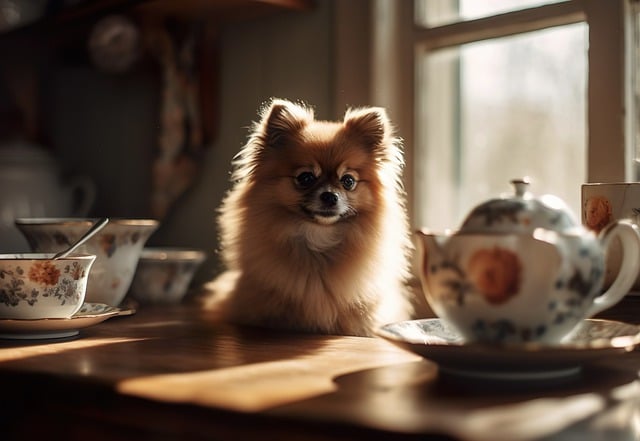
Where To Buy Teacup Puppies
If you decide on a very small dog, approach the search with caution and put the animal's well-being first.
Here are some options to consider while avoiding puppy mills:
- Reputable Breeder: Choose a breeder who prioritizes health over size. Visit in person if possible, meet the mother, and ask for health records and references.
- Local Shelters and Rescues: Many small dogs end up in shelters and need a loving home.
- Breed-Specific Rescues: Many rescues specialize in one breed. If you have a breed in mind, check for a rescue dedicated to it.
- Online Platforms: Some online platforms connect breeders with buyers. Be cautious, since not all listings come from responsible breeders, and never pay for a puppy you have not seen.
- Pet Stores: Research where a store's puppies come from. Many concerns have been raised about puppies sourced from mills.
- Local Breed Clubs and Events: Dog shows and breed club events are good places to meet responsible breeders.
Breeding for extremely small size is linked to health problems. Very young or very small toy puppies are prone to low blood sugar (hypoglycemia), which can cause weakness, trembling, seizures, and collapse.
The Merck Veterinary Manual also notes that hydrocephalus is not uncommon in puppies of toy breeds. Tiny dogs can also be injured by falls or by being stepped on.
Put health and ethical treatment ahead of size. Research thoroughly before you commit to any breeder or rescue.
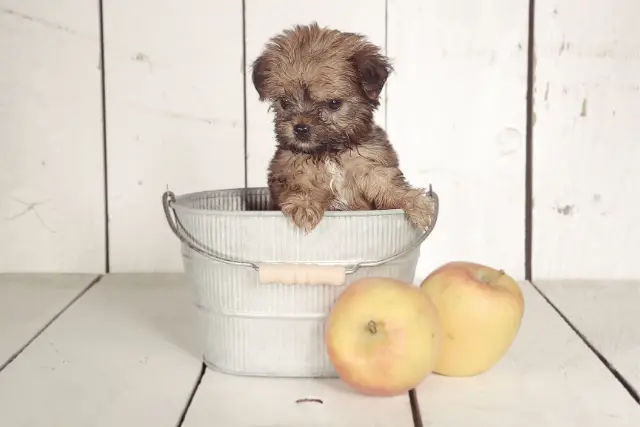
Final Thoughts
Teacup dogs are popular for their tiny, cute appearance. But "teacup" is a marketing label, not a breed, and prices that often run into the thousands of dollars do not guarantee a healthy dog.
Avoid sellers who don't put the welfare of their dogs first, and talk to your vet about the extra care a very small dog may need.
Frequently Asked Questions
Do Teacups stay small for the rest of their lives?
Not always. Because "teacup" is not a defined size, some puppies sold as teacups grow into normal-sized adults of their breed, while others stay very small.
How much is a Teacup Yorkie?
Prices vary widely by seller and location and often run into the thousands of dollars. A Teacup Yorkie is a small Yorkshire Terrier, so look for a breeder who health-tests and does not breed for extreme size.
What is the cost of Teacup Bichon Frises?
There is no standard price. As with other teacup labels, cost depends on the seller, and a "teacup" Bichon Frise is simply a small Bichon Frise.
Sources
- Hypoglycemia in Dogs: Signs, Symptoms, and Treatments, American Kennel Club
- Congenital and Inherited Disorders of the Nervous System in Dogs, Merck Veterinary Manual