How Long Should I Wait To Feed My Dog After Deworming?

Contents
- The Wait Time: How Long Should You Wait to Feed Your Dog?
- Understanding Parasite Control And Its Importance
- The Deworming Process
- Signs of Parasite Treatment Success: Dead Worms And Improved Health
- Puppy Deworming And Special Considerations
- Tips For A Successful Deworming Experience
- The Role Of Diet After Deworming
- Final Thoughts
- Frequently Asked Questions
- How long should it take to eat after deworming?
- Is it advisable to give deworming drugs to dogs on an empty stomach?
- Can I give my dog water after deworming?
- Does dewormer make dogs hungry?
- Sources
"How long should I wait to feed my dog after deworming?" is a common question, and the answer is simpler than many owners expect.
For most common dog dewormers, you don't need to wait at all. Many can be given with food or right before a meal, but always follow the label and your vet's instructions for the product your dog gets.
The Wait Time: How Long Should You Wait to Feed Your Dog?
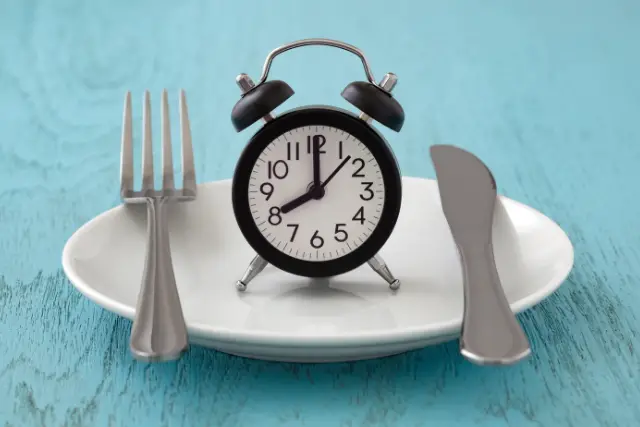
There is no standard waiting period after deworming. Advice to wait two hours or to deworm on an empty stomach doesn't apply to most dog dewormers.
For example, the FDA-approved directions for Drontal Plus tablets say the tablets can be given directly or in a small amount of food. They state that "fasting is neither necessary nor recommended prior to or after treatment."
Some other dewormers, such as fenbendazole granules, are labeled to be mixed into your dog's food.
So why do some people say to wait?
Directions differ from product to product. A few medications have specific instructions about food, so the label and your vet are the only reliable guides for your dog's dewormer.
If your dog has a sensitive stomach, giving the dose with a small meal can help prevent vomiting. If your dog vomits soon after a dose, call your vet before giving another one.
Understanding Parasite Control And Its Importance
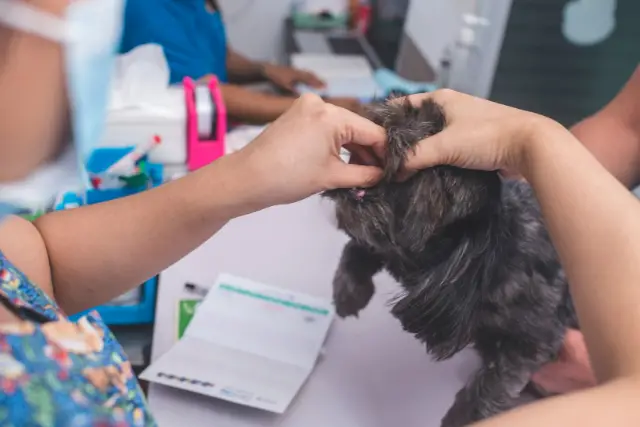
Deworming means giving medication to kill intestinal parasites, commonly called worms, in your dog's digestive system.
Worms can cause diarrhea, vomiting, weight loss and a poor coat. Young puppies are especially vulnerable, since heavy infections can slow their growth and, with hookworms, cause anemia.
Dewormers target specific worms, so the right product depends on what your dog has. Your vet may run a fecal test to find out.
Regular deworming also cuts down on worm eggs in your dog's feces, which protects other pets and people. Some dog roundworms and hookworms can infect humans.
Ask your vet for a parasite control plan that fits your dog's age, lifestyle and location.
The Deworming Process
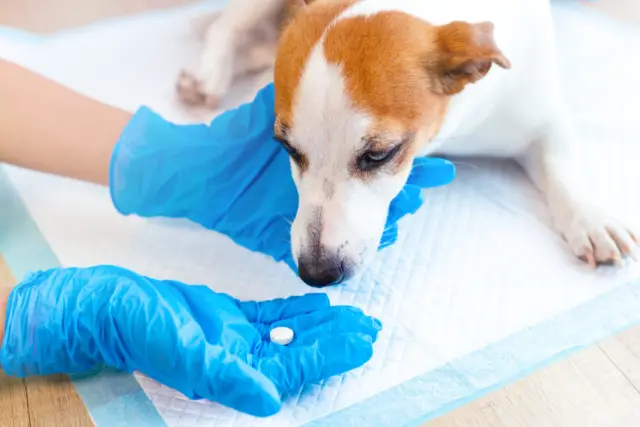
Puppies need deworming early because many are born with or quickly pick up roundworms from their mother.
The Companion Animal Parasite Council (CAPC) recommends deworming puppies at 2, 4, 6 and 8 weeks of age, then moving them to a monthly preventive that also controls intestinal worms.
For adult dogs, many vets recommend year-round monthly parasite prevention. Others suggest regular fecal tests and deworming based on the results and your dog's risk.
Dewormers come as tablets, chews, liquids, granules and spot-on products. Follow your vet's recommendations for the product and dose.
Give the medication exactly as the label directs, with or without food. Some dogs pass dead worms in their stool afterward, and a few may vomit worms.
Signs of Parasite Treatment Success: Dead Worms And Improved Health
Seeing dead worms in your dog's stool after treatment isn't pleasant, but it shows the medication is working.
Over the following weeks, signs like diarrhea, weight loss and a dull coat should improve. If they don't, see your vet. Many worm types can't be seen in stool, so a follow-up fecal test may be needed.
Puppy Deworming And Special Considerations
Following a schedule matters for puppies. CAPC advises starting at 2 weeks of age and repeating every 2 weeks until a monthly preventive takes over.
Pregnant and nursing dogs can pass roundworms and hookworms to their puppies. CAPC recommends treating nursing mothers at the same time as their litters, so ask your vet for a plan before and after the puppies arrive.
Tips For A Successful Deworming Experience
These steps make deworming easier:
-
Consult your vet: Get the right product and schedule for your dog's age, weight and risk.
-
Give it as directed: Follow the label on food. If the product allows it, hide the dose in a treat or small meal, or use a pill pocket.
-
Weigh your dog: Dose by current body weight. Never use a product or dose meant for a different species or weight.
-
Monitor your dog: Call your vet if your dog vomits after a dose, seems unwell, or still has worms or diarrhea later.
-
Dispose of waste properly: Pick up feces promptly, since it can contain infective worm eggs.
Following these tips keeps treatment simple and your pet healthy.
The Role Of Diet After Deworming
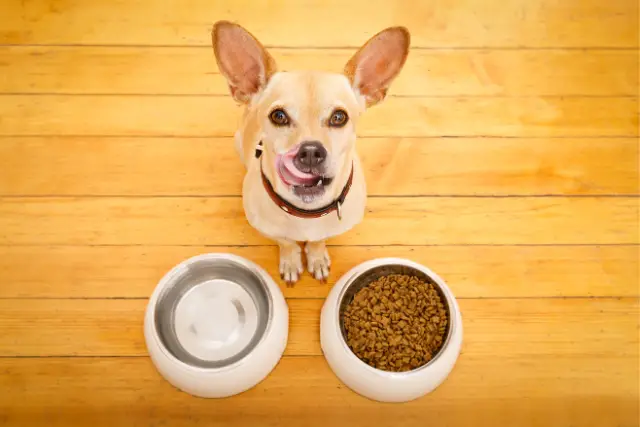
Most dogs can stay on their regular diet after deworming. There is no need to switch to special food unless your dog has an upset stomach.
If your dog has mild stomach upset, a bland meal for a day or two may help. Ask your vet first, especially for puppies.
Call your vet if your dog stops eating, has repeated vomiting or diarrhea, or has pale gums, which can be a sign of anemia from hookworms.
Until treatment is finished, pick up after your dog promptly in parks and yards to reduce the spread of worm eggs.
Final Thoughts
You usually don't need to wait to feed your dog after deworming. Many dewormers can be given with food, and fasting isn't needed for products like Drontal Plus.
Read the label of your dog's specific product and follow your vet's advice on dosing and timing.
Frequently Asked Questions
How long should it take to eat after deworming?
For most common dewormers, your dog can eat right away. Follow the label or your vet's instructions for the specific product.
Is it advisable to give deworming drugs to dogs on an empty stomach?
Usually not necessary. Many dog dewormers can be given with food, and some are mixed into food. Check the label and ask your vet.
Can I give my dog water after deworming?
Yes. Your dog should always have access to fresh water.
Does dewormer make dogs hungry?
Dewormers don't typically increase appetite. A dog's appetite may return to normal as a heavy worm infection clears, but call your vet about any big change.
Sources
- Ascarid guidelines, Companion Animal Parasite Council
- Drontal Plus Tablets Freedom of Information Summary, NADA 141-007, U.S. Food and Drug Administration