How Are Goats Milked?

Contents
Goats are among the oldest domesticated animals in the world, and their milk has been a staple in many cultures for thousands of years. It's used to make cheese, yogurt, soap and more.
But how are goats milked? Most dairy goats are milked twice a day, by hand or by machine, after the doe has given birth. Here's how the process works, from start to finish.
Is It Difficult to Milk a Goat?
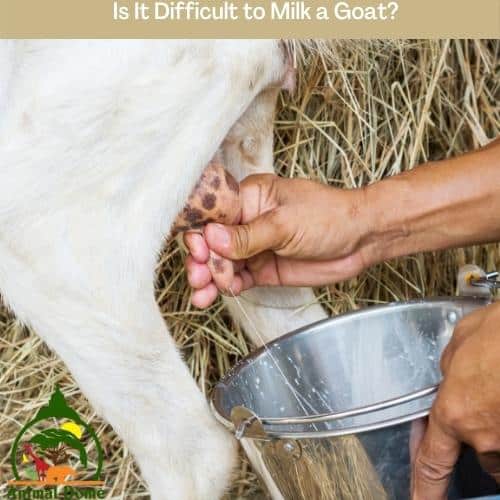
It isn't difficult once you learn the technique. An experienced milker can hand milk a goat in a few minutes, though beginners take longer.
A doe only produces milk after she has given birth (kidded). Once she is in milk, she needs to be milked on a regular schedule, usually every 12 hours, to keep producing.
To hand milk, close off the top of the teat with your thumb and forefinger to trap the milk. Then squeeze down with your other fingers in turn to push the milk out. Keep the top of the teat closed while you squeeze, or the milk will flow back up into the udder.
Don't pull or tug on the teat or udder, since that can hurt the goat and damage the udder.
Goats are food motivated, and many farmers give grain on the milking stand so the goat stays calm. A doe in milk needs good nutrition, so learn how a goat keeper should feed her goats during lactation.
Do Goats Have to Be Pregnant to Give Milk?
Yes. A goat has to be bred and give birth before she produces milk.
Kids usually get their mother's first milk, called colostrum, for the first days of life. After that, many owners begin milking, either sharing the milk with the kids or raising the kids separately.
Does are usually bred once they are well grown, often around a year old or older. Ask your vet when your doe is big enough to breed.
A doe is often milked for about 10 months after kidding. Most owners then "dry her off" by stopping milking for a couple of months before she kids again, so her body can rest.
Breeding a doe every year or so keeps her in milk over her natural life. Ask your vet about a healthy breeding schedule for your goats.
Safe Ways To Milk A Goat
There are two widely used ways to milk goats:
How To Milk A Goat By Machine
Step 1:
Assemble the clean milking machine and bucket, making sure the lid and gaskets seal properly.
Step 2:
Turn on the pump and check the vacuum gauge. Use the setting recommended by the manufacturer. Goat systems often run at about 40 kPa (roughly 12 inches of mercury).
Step 3:
Milk at the same times each day. Goats do best on a steady schedule.
Step 4:
Clean and dry the udder and teats. Squirt the first few streams of milk from each teat into a strip cup and check for clots, blood or stringy milk, which can be signs of mastitis. Discarding the first milk also removes milk that is more likely to contain bacteria.
Step 5:
Attach the teat cups. When the milk stops flowing, usually after a few minutes, turn off the vacuum to each cup before removing it. Don't pull the cups off under full vacuum.
Step 6:
After milking, dip or spray each teat with a teat dip. Weighing the milk is optional, but it helps you track each goat's production.
Step 7:
Once all the goats are milked, take the milk inside right away.
Step 8:
Strain the milk through a milk filter into clean containers, cover them, and chill the milk quickly. Never mix warm milk with milk that has already been chilled.
Step 9:
Rinse and wash the machine after every use, following the manufacturer's cleaning instructions, and let the parts dry fully.
How To Milk a Goat By Hand
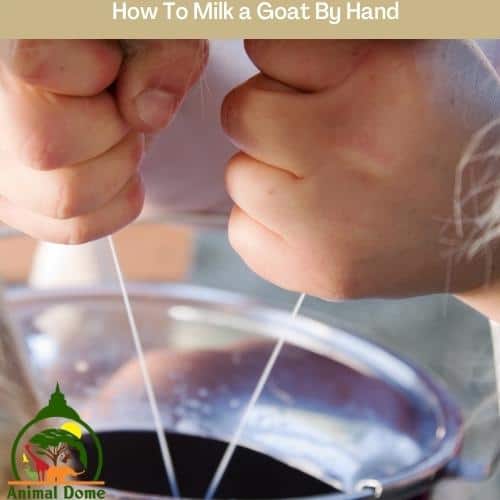
Once your goat is on the milking stand, follow these steps.
Step 1:
Get your supplies ready: a clean stainless steel pail, udder wipes or paper towels, a strip cup and teat dip. A milking stand with a feeder makes the job much easier.
Step 2:
Clean the teats, strip the first squirts into the strip cup, then milk using the close-and-squeeze method above. Never pull on the teats.
Step 3:
Hand milking may take a beginner 20 to 30 minutes at first. With practice, you can milk a goat in about 5 to 10 minutes. Finish with a teat dip.
Filter and chill the milk the same way as with machine milking.
Raw milk can carry harmful germs even on clean farms. The CDC recommends pasteurized milk, which offers the same nutrition without those risks.
How Many Times You Milk a Goat?
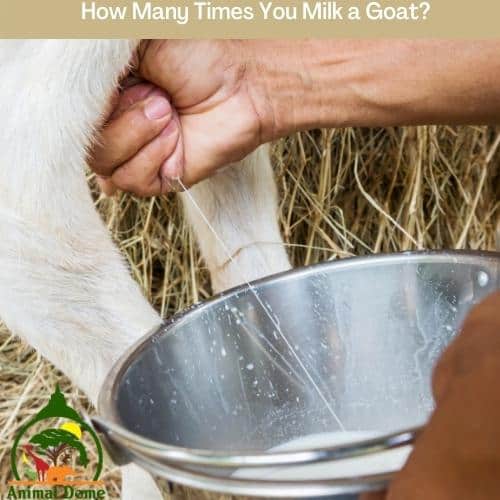
Most dairy goats are milked twice a day, about 12 hours apart. Milking twice a day increases total milk output and keeps the doe in milk longer.
A doe won't produce milk unless she has given birth. Age, breed, nutrition and health all affect how much milk she makes.
Milking works like nursing: it tells the doe's body to keep making milk. The more regularly she is emptied, the more milk she will usually produce, as long as she is well fed.
If her kids are nursing, you can milk once a day and let the kids have the rest, or separate the kids at night and milk in the morning. If the kids are bottle raised, milk her twice a day.
Leaving a doe in milk unmilked for too long makes her udder painfully full and raises the risk of mastitis.
FAQ
What Happens if You Don't Milk a Goat?
If a doe in milk isn't milked or nursed, her udder becomes swollen and painful, and she is at higher risk of mastitis, an infection of the udder. If you want to stop milking, ask your vet how to dry her off gradually.
How to Milk a Goat With Mastitis?
Call your vet. Milk the goat with mastitis last so you don't spread infection to the others, and use clean gloves and separate equipment. Don't drink the milk from an infected udder or from a goat being treated with antibiotics; follow your vet's withdrawal time.
Sources
- Milking of Goats, Ask Extension
- Automatic Prestimulation on Dairy Goats: Milking Efficiency and Teat-End Status, Animals (via PubMed Central)
- Raw Milk, Centers for Disease Control and Prevention