Importance of Ferret Shots
Contents
Ferrets are small but sturdy, playful and always on the go. Like any pet, they need good nutrition, a safe home and regular veterinary care, including two key vaccines: canine distemper and rabies.
Digestive problems, respiratory infections and swallowed objects that block the intestines are common ferret health problems. Ferrets are carnivores, so feed a commercial ferret food that is high in protein and low in carbohydrates, and keep fresh water available at all times.
Ferrets can also catch human flu, so keep your distance from your ferret when you're sick. House them in a clean, well-ventilated space at a comfortable temperature; the Merck Veterinary Manual suggests 65°F to 75°F, since ferrets can't sweat and overheat easily.
Vaccines prevent disease; they don't treat illnesses your ferret already has. Before bringing home a new ferret, ask for its vaccination record and check that it is up to date for its age.
If the record is missing or out of date, book a vet visit soon after you bring your ferret home. Find a vet who treats ferrets before you need one.
Ferret Shots for Distemper
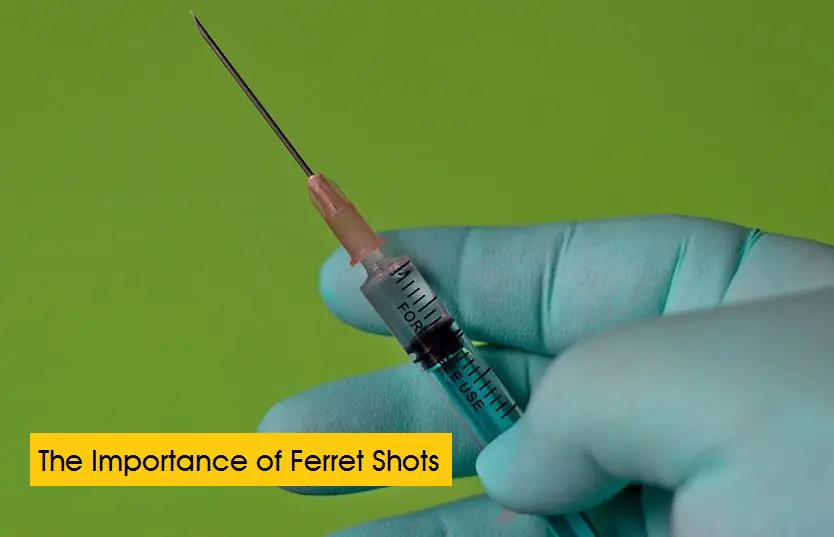
Canine distemper is fatal in ferrets, and there is no treatment. Merck calls yearly vaccination the best defense.
Merck's veterinary guidance recommends a distemper vaccination series at about 8, 11 and 14 weeks of age, then boosters as your vet advises. Ferrets with no vaccine history also need a series of distemper shots.
Some puppy distemper vaccines are not safe for ferrets and can cause the disease. No distemper vaccine is currently approved specifically for ferrets in the US, so let your vet choose the product.
Rabies Vaccine for Ferrets
Ferrets should also be vaccinated against rabies. Rabies is rare in pet ferrets, but they are susceptible, and local laws may require the vaccine.
Merck notes the first rabies shot is given at about 3 to 4 months of age and then repeated as local law and the vaccine label require. Vets usually give the rabies and distemper vaccines on separate visits to lower the risk of reactions.
Vaccine Reactions
Merck notes ferrets often have vaccine reactions, which can include vomiting and diarrhea and, in some ferrets, shock and death. Stay at the vet's office for 20 to 30 minutes after a vaccine to watch for signs.
Reactions can still happen several hours later, so keep watching at home. Mild sleepiness for a few days is common, but call your vet right away about vomiting, diarrhea or weakness.
Other Ferret Health Care
There are no vaccines for colds, pneumonia, parasites, ear mites or fleas. These need other care, so take your ferret for a checkup at least once a year.
Fleas, ear mites and heartworm can all affect ferrets. Merck notes the most effective flea control products are available only through vets. Don't use sprays, powders or creams made for other pets without asking your vet first.
Sources
- Routine Health Care for Ferrets, Merck Veterinary Manual
- Management of Ferrets, Merck Veterinary Manual
- Infectious Diseases of Ferrets, Merck Veterinary Manual