Can Fish Eat Bread?
Contents
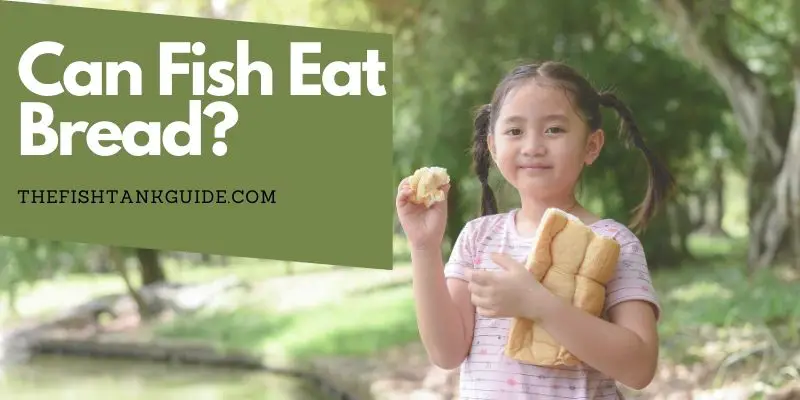
You have probably seen children tossing bread into a lake or pond, and some fish owners reach for bread when they run out of fish food. It seems harmless, but it isn't a good idea.
Fish will eat bread, but they shouldn't. Bread offers little of the protein and nutrients fish need, it swells with water, and leftovers rot quickly and pollute the water.
A fish that eats a crumb or two will usually be fine. Regular bread feeding, though, can lead to digestive trouble in your fish and poor water quality in the tank or pond.
What Are The Health Risks Involved In Feeding Your Fish Bread?
- Bloating and constipation: Bread soaks up water and swells. Fish are not adapted to digest refined, starchy food like bread, and it can contribute to bloating and constipation.
- Poor nutrition: Bread is mostly refined carbohydrate. It lacks the protein, fats, vitamins and minerals in a proper fish diet.
- Dirty water: Uneaten bread breaks down fast. In a tank, that raises waste levels and can cloud the water.
- Pond and lake damage: The city of Sugar Land, Texas warns that uneaten bread causes algae growth and pollution and can eventually wipe out fish and other life nearby.
- Harm to other wildlife: Bread tossed into ponds also feeds ducks and geese. The Tufts Wildlife Clinic notes that a deformity called "angel wing" is common in waterfowl fed white bread and other people food.
If your fish look bloated or stop passing waste after eating bread, fast them for a day or two and then offer a small amount of their normal food. Clean up any leftover bread and test the water.
If your fish don't improve, ask a veterinarian who treats fish or a knowledgeable aquarium professional for help.
Fish do best on foods that match what they eat in nature. Wild fish don't find bread in rivers or the ocean, but they will eat it if it's offered because they don't know better. Here is what to feed them instead.
What Should You Feed Your Fish?
Like other animals, fish need protein, fat, vitamins, carbohydrates and minerals in the right balance. The right diet also depends on the type of fish it is. Herbivores eat mostly plants and algae, carnivores eat mostly animal foods, and omnivores eat both.
These are some of the foods you can feed your fish:
- Dry fish food: A good commercial flake or pellet made for your species should be the base of the diet. Floating flakes suit fish that feed at the surface. Sinking pellets or wafers suit fish that feed at the bottom, so match the food to how your fish eat.
- Frozen and live foods: Frozen bloodworms, brine shrimp and similar foods are good protein treats for many fish. Buy from a reputable brand. If you use live foods, choose a trusted source, because they can carry parasites or disease into the tank.
- Cucumber: Very low in calories and a favorite of many plant-eating fish. Blanch a slice briefly, let it cool, and remove leftovers within a day.
- Zucchini: Another good vegetable for herbivores and omnivores. Blanch it briefly and offer small pieces.
- Leafy green vegetables: Blanched spinach, romaine lettuce and similar greens work well for plant-eating fish. Wash them well first to remove pesticides.
- Peas: Cook them, remove the skins and offer a small piece or two. Many fishkeepers use them for fish that seem constipated.
What Other Food Is Unhealthy For Your Fish?
- Meat: Fatty red meat and poultry are not suitable for most fish. Too much fat is hard for them to digest and fouls the water. Some carnivorous fish keepers use lean beef heart, but a quality commercial diet is simpler and safer.
- Carbohydrate-rich food: Bread, crackers, chips and other starchy human foods are not good for fish. They add little nutrition and can cause digestive problems.
- Food with yeast: Bread and other baked goods with yeast fall into the category above. They swell in water and break down quickly.
- Fruits: Most aquarium fish don't need fruit, and sugary food can foul the water fast. Some plant-eating species do eat fruit in the wild, so check a care guide for your species before offering any.
Whatever you feed, offer only what your fish can eat in a few minutes and remove leftovers. Overfeeding is one of the most common causes of poor water quality.
Sources
- Why You Should Not Feed Ducks, City of Sugar Land, Texas
- Feeding Wildlife, Tufts Wildlife Clinic, Cummings School of Veterinary Medicine