Beta Wolf: What the Term Really Means in a Wolf Pack
Contents
- What Is the Beta Wolf?
- The Misconceptions Surrounding Beta Wolves
- Comparing the Beta Wolf with Other Wolves
- Alpha Wolves: The Leaders
- Beta Wolves: The Middle Ground
- Omega Wolves: The Submissive Ones
- Other Wolves: The Pack Members
- The Role of Beta Wolves in Wolf Packs
- Support to the Alpha Wolf
- Balancing the Pack Dynamics
- Maintaining Harmony Among Submissive and Mid-Ranking Wolves
- Role in Hunting and Territory Defense
- Nurturing and Training Young Wolves
- Spotting a Beta Wolf
- Behavioral Indicators
- Position in the Pack
- Interactions with Pack Members
- Physical Attributes
- Vocalizations and Body Language
- Wrapping Up
- FAQs
- Can a Beta Wolf become an Alpha?
- How does a Beta Wolf interact with mid-ranking wolves?
- How does one become a Beta Wolf?
- Sources
You have probably heard of the "beta wolf," the wolf said to rank just below the pack's alpha leader.
The idea is popular, but it comes mostly from studies of captive wolves. Research on wild wolves paints a simpler picture, and it changes what "beta" really means.
What Is the Beta Wolf?
In the classic model of a wolf pack, there is an alpha male and alpha female at the top, a beta wolf as second in command, and an omega wolf at the bottom.
In that model, the beta wolf is the second-ranking wolf. It defers to the alphas but has authority over lower-ranking wolves, and it may take over if an alpha dies or leaves.
That ranking system was described mainly in captive wolves. In the wild, it doesn't fit most packs well.
The Misconceptions Surrounding Beta Wolves
Wolf biologist L. David Mech, writing in a U.S. Geological Survey publication, noted that most research on wolf-pack social dynamics had been done on unnatural groups of captive wolves.
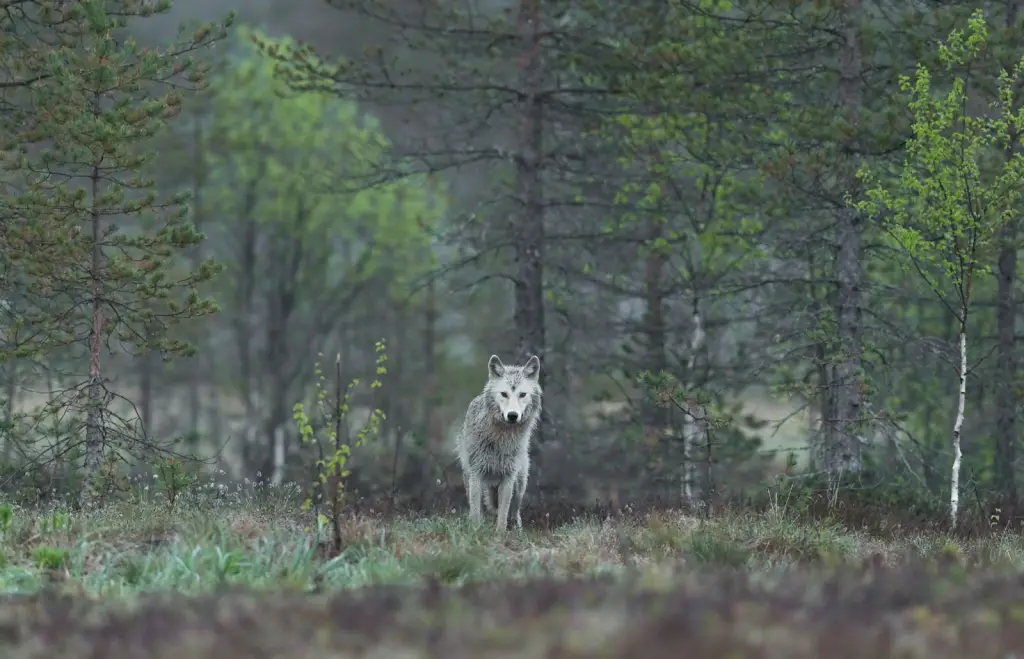
Based on 13 summers of watching wild wolves on Ellesmere Island in Canada, he concluded that the typical wild pack is a family. The adult parents guide the group's activities, and the other members are mostly their offspring.
In that kind of pack, there is no fixed "beta" job title. Older offspring may help raise pups, hunt and defend territory, but they usually leave in time to find mates and start packs of their own.
Comparing the Beta Wolf with Other Wolves
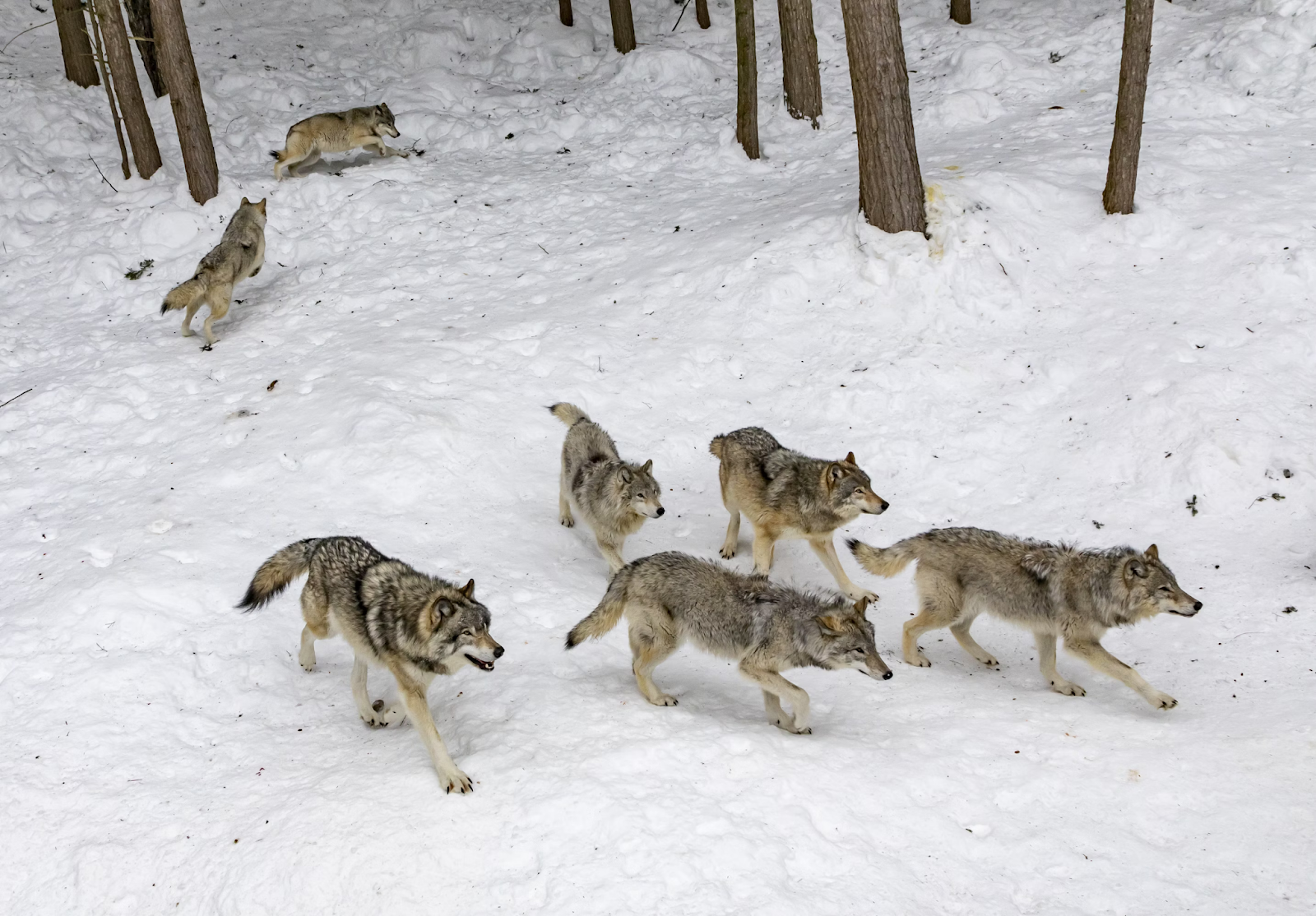
Here is how the classic roles compare with what happens in wild packs.
Alpha Wolves: The Leaders
In the classic model, the alpha male and alpha female are the most dominant wolves in the pack and make key decisions for the group.
In wild packs, these "alphas" are usually just the breeding pair, the parents of the other wolves. Mech found a division of labor between them: the female mostly leads in pup care and defense, while the male mostly leads in foraging, food provisioning and the travel that goes with it.
Beta Wolves: The Middle Ground
In the classic model, the beta wolf sits below the alphas and above everyone else.
In wild family packs, the wolves below the parents are usually their grown or growing offspring. One of them may be more assertive than its siblings, but that is not the same as a fixed second-in-command role.
Omega Wolves: The Submissive Ones
The omega wolf was described as the lowest-ranking wolf, often the target of aggression from the others.
Like the beta role, the omega role was described mainly in captive groups of unrelated wolves forced to live together. It is not a standard feature of wild family packs.
Other Wolves: The Pack Members
Most wild pack members are the parents' offspring from the past few years. Their roles change as they grow up.
Young wolves learn by joining in hunts and pack travel. Most eventually disperse to find a mate and territory of their own.
The Role of Beta Wolves in Wolf Packs
So what do the wolves below the parents actually do? In a wild family pack, they help the group in several ways.
Support to the Alpha Wolf
Older offspring support their parents by taking part in hunts and travel. This is family cooperation rather than a formal chain of command.
Balancing the Pack Dynamics
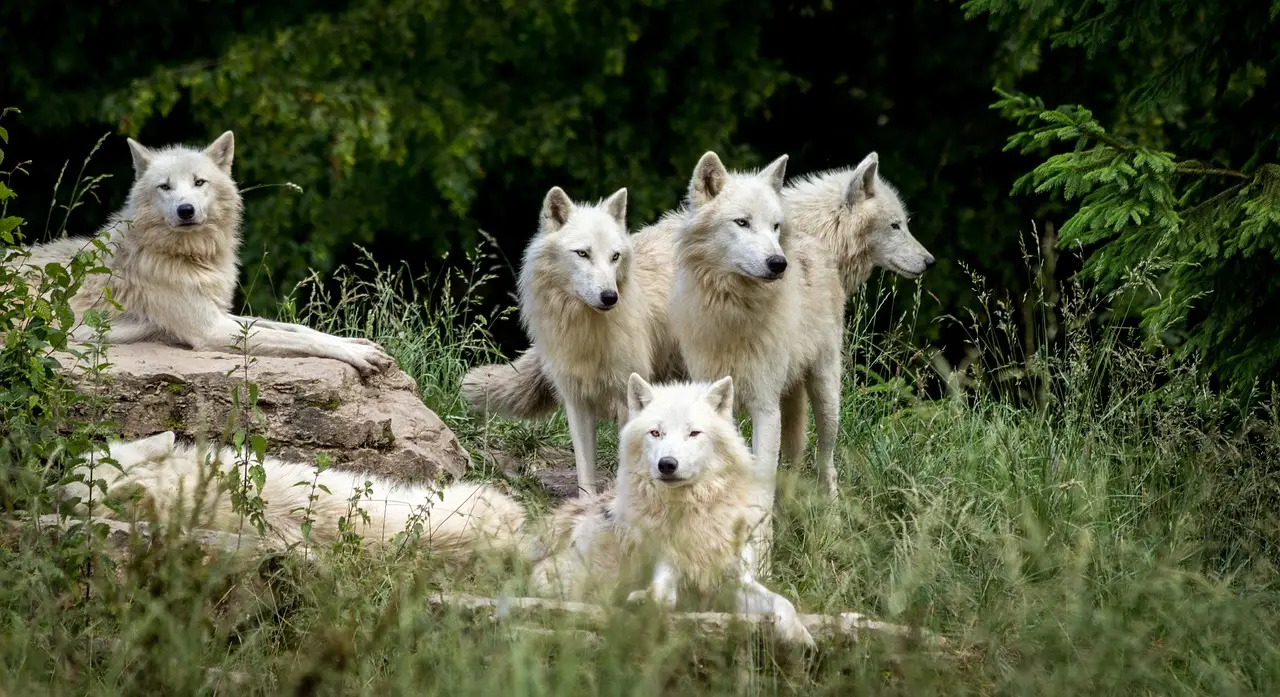
In captive groups of unrelated wolves, researchers saw frequent dominance displays and fights over rank. In wild family packs, the parents' leadership is usually accepted without constant contests, because the other wolves are their young.
Maintaining Harmony Among Submissive and Mid-Ranking Wolves
Wolves use body language such as tail position, ear position and posture to communicate. Younger wolves often show submissive behavior toward their parents. This helps keep conflict low.
Role in Hunting and Territory Defense
Older offspring often join in hunts and help defend the territory. Mech found that the breeding male mainly leads foraging and food provisioning, while the female mainly leads in pup care and defense.
Nurturing and Training Young Wolves
Older siblings often help care for pups, for example by bringing food and keeping them company. Pups learn hunting and social skills by watching and joining the adults.
Spotting a Beta Wolf
In the classic model, people tried to identify a beta by its behavior and position in the pack.
In wild family packs, it is usually easier to tell the breeding pair from their offspring than to find a single "beta."
Behavioral Indicators
Assertive behavior can vary among siblings. Some young wolves are bolder than others, but that boldness often changes as they age.
Position in the Pack
During travel, the parents often lead, with the rest of the family following. Position in line is not a reliable way to spot a fixed rank.
Interactions with Pack Members
Younger wolves often greet their parents with submissive behavior, such as a lowered body and licking the parent's mouth. Watching who defers to whom can show who the parents are.
In captive groups, observers described an omega wolf that others picked on. In wild family packs, a wolf that is constantly picked on is more likely to leave.
Physical Attributes
There is no physical trait that marks a wolf as a beta. Size and condition depend on age, health and food supply.
Vocalizations and Body Language
Wolves use howls, growls and many body postures to communicate. These signals show mood and intent in the moment, but they don't reveal a fixed "beta" rank.
Wrapping Up
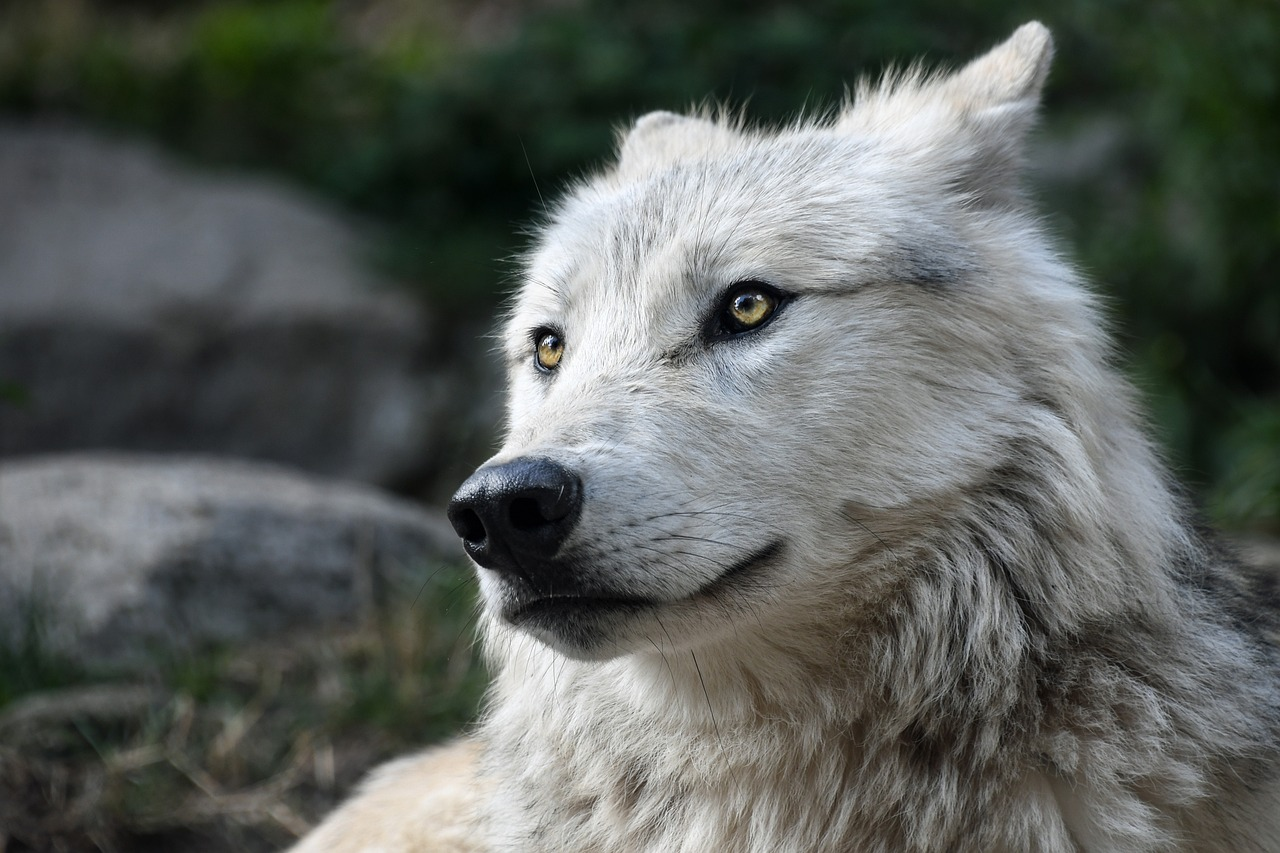
The beta wolf idea comes mainly from studies of captive wolves. In the wild, most packs are families led by a breeding pair, with the other members being their offspring.
Those younger wolves help with hunting, territory defense and pup care until most of them leave to start their own packs. That is less dramatic than the alpha, beta and omega story, but it is closer to how wild wolves actually live.
FAQs
Can a Beta Wolf become an Alpha?
In wild packs, a wolf usually becomes a breeder, or "alpha," by leaving its family, finding a mate and starting a new pack. Sometimes a wolf takes over a breeding position in an existing pack after a breeder dies or leaves.
How does a Beta Wolf interact with mid-ranking wolves?
In wild family packs, the wolves below the parents are mostly siblings. Their interactions are usually cooperative, with play and some minor squabbles, rather than a strict ranking system.
How does one become a Beta Wolf?
There is no formal way to become a beta in a wild family pack. The term comes mostly from studies of captive wolves. In the wild, a young wolf's role changes as it grows, until it leaves to find a mate and territory.
Sources
- Alpha status, dominance, leadership, and division of labor in wolf packs, U.S. Geological Survey
- Alpha Status, Dominance, and Division of Labor in Wolf Packs (PDF), International Wolf Center